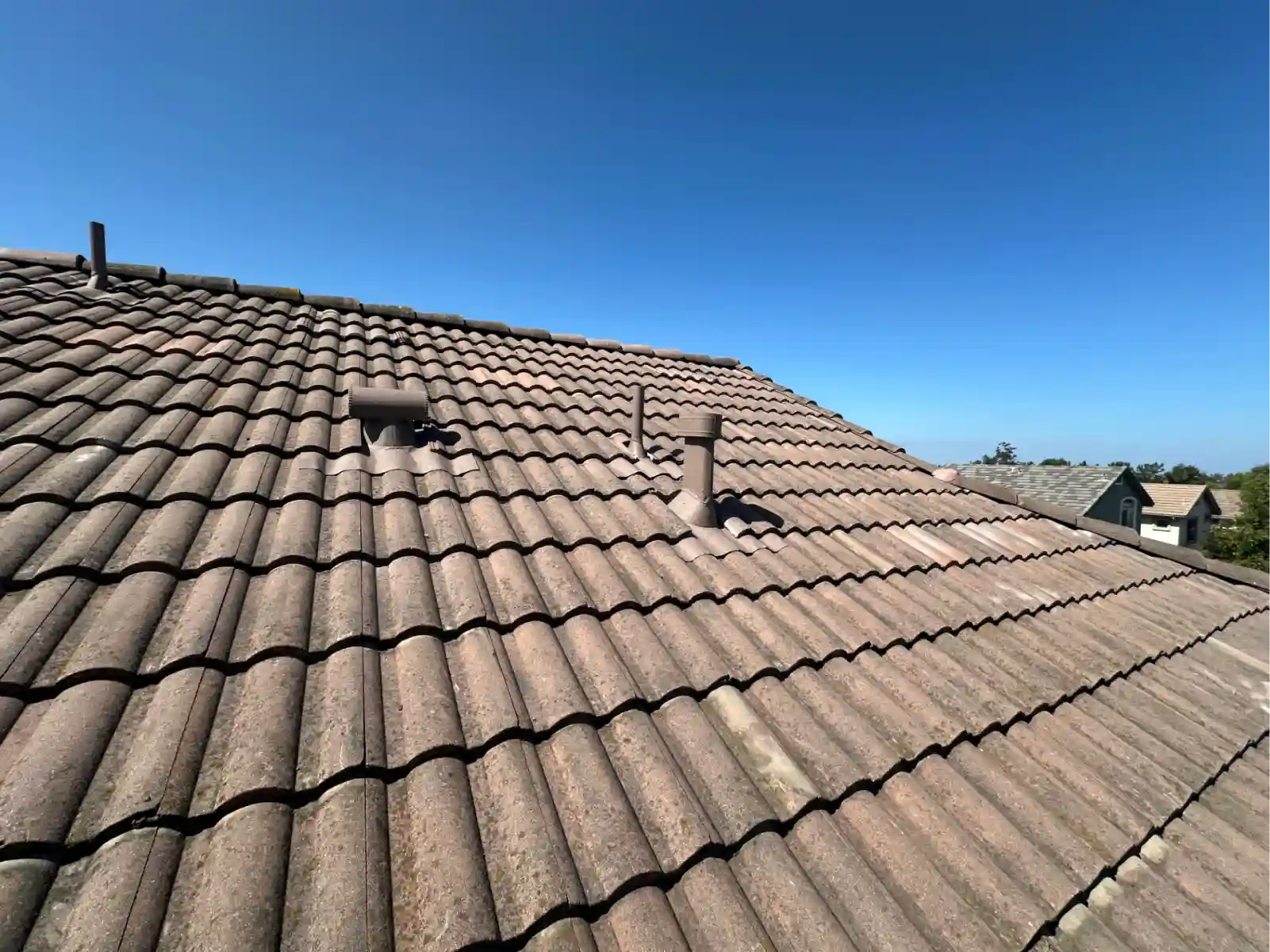
Skipping regular professional inspections
Many property owners assume their roof is functioning correctly simply because no obvious leaks or damage are visible from the ground. This assumption is the first critical mistake that can dramatically reduce your roof’s functional lifespan. Without regular professional evaluations, minor issues such as cracked flashing, loose fasteners, or early-stage moisture intrusion remain undetected until they escalate into expensive structural failures.
The consequences of deferred inspections compound quickly. A small crack in a tile or worn seal around a penetration point can allow water to seep beneath the surface layer, saturating underlayment and decking over months or years. By the time visible interior damage appears, such as ceiling stains or mold growth, the repair costs have often multiplied several times over. In Santa Ana’s dry climate, homeowners may feel less urgency about water intrusion, but summer heat cycles cause roofing materials to expand and contract, creating stress points that require monitoring.
Scheduling biannual inspections with qualified professionals ensures that vulnerabilities are identified and addressed while repairs remain minor and affordable. Trained inspectors assess not only the visible surface but also check attic ventilation, insulation interfaces, and drainage systems that impact long-term durability. For properties with tile roof systems or low slope roofing configurations common in commercial buildings throughout Orange County, professional assessments are particularly valuable because these systems have specific failure modes that untrained observers miss. Proactive inspection schedules preserve manufacturer warranties, extend service life, and prevent the cascading damage that turns a small maintenance item into a full roof replacement project. If your property has not been professionally evaluated within the past twelve months, arranging a thorough roof inspection should be your immediate next step.
Choosing materials based solely on price
Selecting roofing materials based exclusively on the lowest upfront cost is a decision that almost always results in premature failure and higher lifetime expenses. Budget-grade shingles, substandard underlayment, and economy fasteners may meet minimum code requirements, but they lack the durability and performance characteristics needed to withstand decades of thermal cycling, UV exposure, and weather events. This mistake is especially costly because the labor investment to install a roof is identical whether you use premium or economy materials, yet the service life difference can exceed fifteen years.
Low-quality asphalt shingle roofing products degrade rapidly under California’s intense sun, with granule loss and brittleness appearing within the first five to seven years instead of the expected fifteen to twenty. Inadequate underlayment fails to provide secondary moisture protection, and when the primary surface is compromised, water damage spreads quickly through roof decking and framing. For commercial properties, choosing substandard materials for flat or low slope roofing applications leads to ponding water issues, membrane failures, and frequent leak events that disrupt operations and damage inventory or equipment.
Investing in quality materials from reputable manufacturers provides measurable returns through extended warranties, superior weather resistance, and reduced maintenance frequency. High-performance products are engineered with enhanced UV inhibitors, impact resistance, and thermal stability that directly address the environmental stresses present in Southern California. When planning new construction roofing or a tile roof replacement project, work with professionals who can demonstrate the long-term value proposition of mid-tier and premium options. Quality materials paired with proper roof installation services create systems that protect your property investment for decades rather than requiring interventions every few years. The initial price difference becomes negligible when amortized over the true service life, and superior materials often qualify for insurance discounts that further offset costs.
Attempting complex repairs without professional training
The proliferation of online tutorials has created confidence among property owners that they can handle sophisticated roof repair tasks without specialized knowledge or equipment. While basic maintenance such as cleaning gutters or replacing a single damaged shingle may be within homeowner capabilities, structural repairs, flashing replacement, or addressing underlying moisture damage require technical expertise that takes years to develop. Improper repairs not only fail to solve the original problem but often create additional damage and void manufacturer warranties.
DIY repair attempts frequently result in incorrect fastener placement that penetrates moisture barriers, improper sealant application that traps water rather than excluding it, and mismatched materials that create differential weathering and premature failure points. A homeowner attempting to stop a roof leak repair might apply roofing cement over a symptom while missing the actual source, allowing hidden water intrusion to continue unabated. Commercial property managers face even greater risk when untrained maintenance staff attempt repairs on complex systems such as modified bitumen or TPO membranes used in commercial roofing applications, where improper heat-welding or adhesive application compromises entire roof sections.
Professional contractors bring diagnostic skills, specialized tools, and manufacturer-specific installation knowledge that ensure repairs restore full system integrity. They understand how different roof assemblies function as integrated systems, where moisture barriers, ventilation, and structural components must work together. Attempting repairs without this knowledge often converts a localized issue into a widespread failure requiring far more extensive intervention. For any repair beyond cosmetic surface maintenance, engaging qualified roof repair services protects both your immediate investment and your property’s long-term value. Professionals also carry liability insurance and workers’ compensation coverage, protecting you from financial exposure if accidents occur during repair work. The cost difference between professional repair and DIY attempts evaporates quickly when hidden damage is discovered or when improper repairs must be torn out and redone correctly.
Ignoring ventilation and attic climate control
Proper attic ventilation is an invisible yet critical component of roof system longevity that property owners routinely overlook until damage has already occurred. Inadequate ventilation allows heat and moisture to accumulate in attic spaces, creating conditions that accelerate shingle deterioration, promote mold growth, warp decking, and reduce insulation effectiveness. During Orange County’s summer months, poorly ventilated attics can reach temperatures exceeding 150 degrees, cooking roofing materials from below and drastically shortening their functional lifespan.
The consequences extend beyond the roof itself. Trapped heat radiates into living spaces, increasing cooling costs by forcing HVAC systems to work harder against superheated ceilings. Moisture accumulation from temperature differentials creates condensation that saturates insulation and wooden structural members, leading to rot and creating ideal conditions for mold colonization. For commercial buildings with complex HVAC systems and multiple roof penetrations, inadequate ventilation compounds equipment strain and can void roof warranties that explicitly require proper airflow to remain valid.
Correcting ventilation deficiencies requires balanced intake and exhaust strategies tailored to your specific roof design and climate conditions. Ridge vents, soffit vents, and powered attic fans must be properly sized and positioned to create continuous airflow that expels heat and moisture before damage occurs. During any roof installation or major repair, ventilation assessment should be a mandatory component of the planning process. Solar panel installation projects present particular challenges, as panels can obstruct airflow patterns and create hot spots if not integrated with ventilation planning. Professional installation teams evaluate existing ventilation during initial assessments and recommend upgrades that protect your investment. If your attic temperature approaches or exceeds outdoor temperature during summer afternoons, your ventilation system is inadequate and actively reducing your roof’s lifespan. Addressing ventilation issues simultaneously with other roofing work maximizes efficiency and ensures all system components work together as intended.
Hiring unlicensed or underinsured contractors
Selecting a roofing contractor based primarily on the lowest bid without verifying licensing, insurance, and track record is perhaps the most financially dangerous mistake property owners make. Unlicensed operators lack the technical training, legal accountability, and financial stability that protect consumers when problems arise. These contractors often disappear after collecting payment, leaving property owners with defective work, no warranty recourse, and potential liability for job-site injuries that should have been covered by workers’ compensation insurance.
The immediate consequences of hiring unqualified contractors include substandard workmanship that fails prematurely, code violations that create issues during property sales or refinancing, and voided manufacturer warranties that require authorized installers. The long-term consequences can be catastrophic. If an uninsured worker is injured on your property, you may face personal liability for medical expenses and lost wages. If defective installation causes water damage to your home’s interior or a commercial building’s contents, you have no contractual recourse and no insurance policy to pursue. In Santa Ana and throughout Orange County, building departments increasingly scrutinize roofing permits and require proof of contractor licensing and insurance before approving projects, yet many property owners still engage unlicensed operators for cash deals that seem attractive until problems emerge.
Qualified roofing contractors carry current California contractor licenses, maintain liability insurance, provide workers’ compensation coverage for their crews, and offer meaningful warranties backed by financial stability. They pull proper permits, schedule required inspections, and document their work to protect both their reputation and your investment. When evaluating contractors, verify license status through state databases, request certificates of insurance directly from insurance carriers, and check complaint histories with consumer protection agencies. For significant projects such as complete roof replacement, tile roof installations, or commercial roofing applications, the contractor’s experience with your specific roof type and building configuration should be demonstrable through references and portfolio examples. The modest premium you pay for a properly licensed and insured professional is insignificant compared to the financial devastation that results from contractor fraud, abandoned projects, or defective work that requires complete removal and reinstallation. Investing time in contractor due diligence protects you from the single most preventable cause of roofing project failures.