Choosing Between Two Proven Materials
Selecting the right roofing material for your home represents one of the most significant investments in property protection and value. Homeowners throughout Orange County face a critical decision between asphalt shingle roofing and tile roof replacement, each offering distinct advantages tailored to different priorities and budgets.
Southern California’s unique climate presents specific considerations that influence this choice. The region experiences intense summer heat, occasional heavy rainfall during winter months, and in coastal areas like Newport Beach and Huntington Beach, salt air exposure that accelerates material degradation. These environmental factors directly impact both the performance and longevity of roofing materials.
Understanding the total cost of ownership extends beyond the initial installation price. A thorough comparison must account for upfront expenses, expected lifespan, maintenance requirements, energy efficiency, and the material’s contribution to property resale value. This analysis provides the foundation for making an informed decision that aligns with your financial goals and timeline for homeownership.
The choice between asphalt and tile ultimately depends on your priorities: immediate affordability versus long-term durability, traditional aesthetics versus modern versatility, and short-term residence versus multi-generational investment.
Understanding the Initial Investment
The upfront cost difference between asphalt and tile roofing represents the most immediate consideration for homeowners. In the Orange County market, asphalt shingle roofing typically ranges from $5 to $9 per square foot installed, making it the more accessible option for budget-conscious property owners. A standard 2,000-square-foot roof installation generally costs between $10,000 and $18,000, depending on shingle quality and architectural complexity.
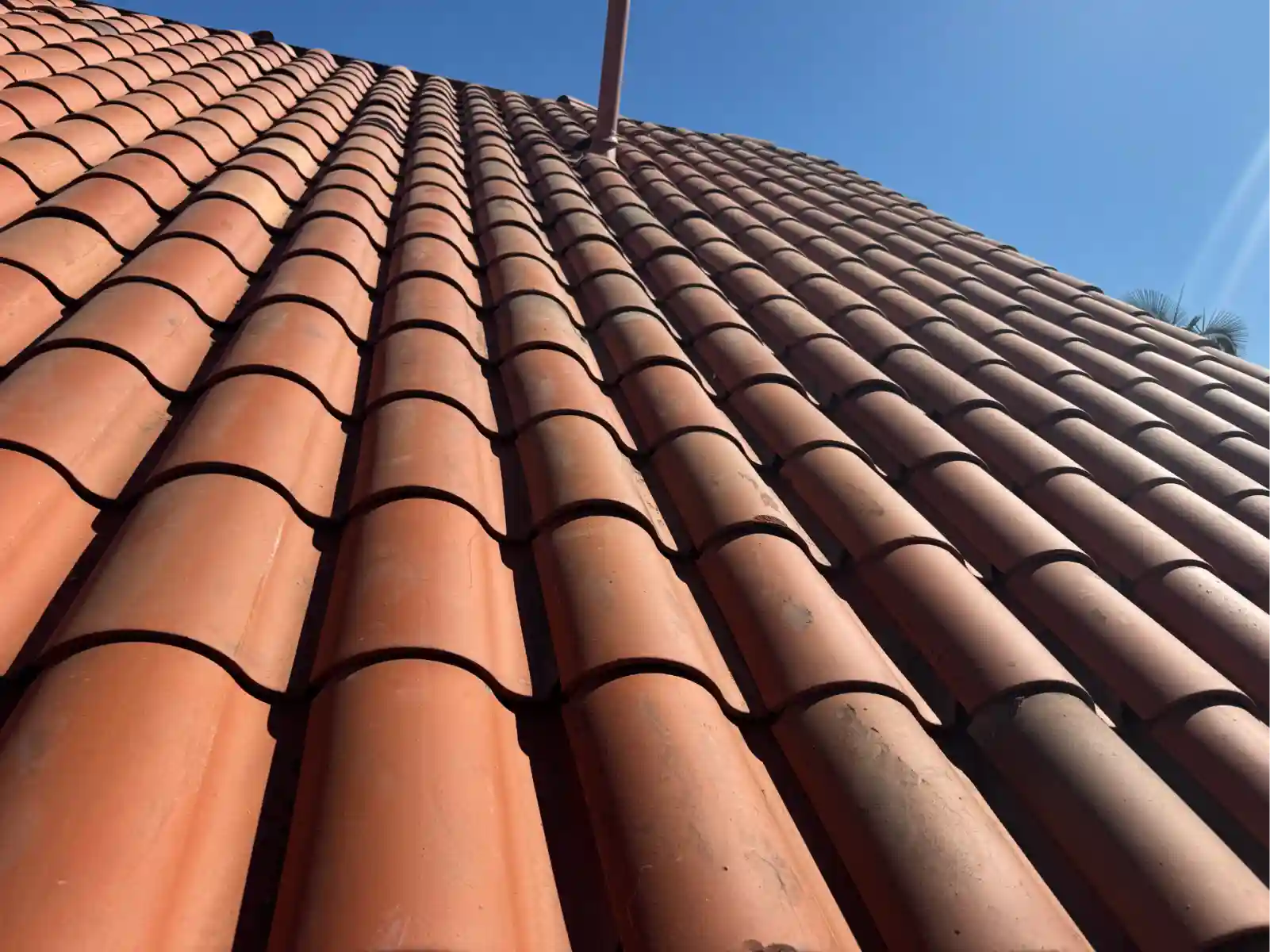
Tile roofs command a significantly higher initial investment, typically ranging from $12 to $25 per square foot installed. The same 2,000-square-foot roof using concrete or clay tile materials can cost between $24,000 and $50,000. This substantial price differential reflects the material’s weight, installation complexity, and the specialized labor required for proper roof installation services.
Several factors influence these cost ranges. Premium architectural shingles with enhanced warranties fall at the higher end of the asphalt spectrum, while standard three-tab shingles represent the most economical choice. For tile, concrete options cost less than clay, though both deliver similar longevity. Roof pitch, complexity, accessibility, and the need for structural reinforcement to support tile weight can all increase installation expenses.
Many Orange County homeowners explore financing options to manage the higher upfront investment of tile roofing. The initial cost shock often diminishes when viewed through the lens of long-term ownership, where annual cost calculations reveal a different financial picture than the raw installation price alone suggests.
Durability and Maintenance Over Time
Lifespan projections reveal the most significant performance gap between these two materials. Quality asphalt shingle roofing typically lasts 15 to 25 years in Southern California’s climate, with architectural shingles reaching the upper end of that range. Tile roofs, whether concrete or clay, regularly exceed 30 to 50 years of service life, with many historic installations throughout Santa Ana and surrounding communities still performing after 75 years or more.
Southern California’s climate conditions affect each material differently. Asphalt shingles face accelerated aging from intense UV exposure and thermal cycling, where daytime temperatures regularly exceed 90 degrees before cooling substantially at night. This expansion and contraction gradually degrades the petroleum-based binders that hold the protective granules in place. Tile materials, composed of fired clay or formed concrete, demonstrate superior resistance to UV degradation and thermal stress.
Maintenance requirements present another important distinction. Asphalt roofs need regular inspection for lifted, cracked, or missing shingles, particularly after Santa Ana wind events that can exceed 40 mph in inland valleys. Minor roof repair services prevent water intrusion but become more frequent as the roof ages. Tile roofs require less frequent intervention, though individual broken tiles from falling branches or foot traffic need prompt replacement to maintain watershed integrity.
The total maintenance cost over a typical ownership period favors tile. While a single roof leak repair may cost the same regardless of material, asphalt roofs require these interventions more frequently and face complete replacement every 20 years on average, compared to tile’s multi-decade service life that often outlasts the homeowner’s residence period.
Making the Right Choice for Your Property
Return on investment calculations require examining both the cost per year of service and the material’s impact on property resale value. When amortizing costs over expected lifespan, asphalt shingles cost approximately $500 to $900 annually, while tile roofs range from $480 to $1,000 per year. Despite the similar annual cost, tile roofs deliver additional value through superior energy efficiency, reducing cooling costs by 15 to 20 percent through better thermal mass and ventilation characteristics in Orange County’s hot summer climate.
Property appraisers and real estate professionals consistently report that tile roofs add measurable value to homes throughout Orange County. The material conveys quality, permanence, and Mediterranean architectural authenticity that buyers actively seek in communities like Mission Viejo, Irvine, and Newport Beach. A well-maintained tile roof can contribute $15,000 to $30,000 in additional appraised value, representing 50 to 75 percent cost recovery on the initial premium over asphalt.
Resale timing significantly influences ROI calculations. Homeowners planning to sell within five to ten years may not fully recoup the tile premium, making asphalt a more rational choice for short-term residence. Conversely, those planning 15 or more years of ownership benefit from tile’s extended lifespan, avoiding a mid-ownership replacement that asphalt would require. The avoided disruption, financing costs, and installation inflation make tile increasingly attractive as ownership timeline extends.
Energy savings compound these benefits. During Orange County’s six-month warm season from May through October, tile roofs reduce attic temperatures by 10 to 15 degrees compared to asphalt, translating to lower air conditioning runtime and monthly utility costs that accumulate over decades of ownership.
Conclusion
The optimal roofing material depends entirely on your specific timeline, budget parameters, and long-term property goals. Budget-conscious homeowners planning to relocate within ten years often find asphalt shingle roofing delivers superior value, offering reliable protection without excessive upfront capital commitment. The lower initial investment preserves funds for other home improvements or financial priorities while providing dependable weather resistance throughout Orange County’s dry summers and occasional winter storms.
Long-term homeowners who plan to remain in their residence for two decades or more typically benefit from tile roof replacement despite higher initial costs. The extended 40- to 50-year lifespan eliminates the need for multiple re-roofing projects, reducing lifetime maintenance expenses and disruption. Property owners in coastal Orange County communities particularly value tile’s resistance to salt air corrosion and wind uplift during Santa Ana wind events, which can exceed 60 miles per hour in exposed locations.
Homeowners preparing properties for sale within three to five years should evaluate current market preferences in their specific neighborhood. Established communities in Newport Beach and Tustin often command premium pricing for tile roofing, while newer developments in Irvine may show comparable resale performance with quality architectural shingles. Consulting with experienced roof installation services professionals provides neighborhood-specific guidance aligned with local buyer expectations and architectural standards. Professional assessment accounts for roof pitch, home style, and regional aesthetic preferences to maximize both protection and investment return.